
Pushing Representation Through Photography
Jul 8, 2022
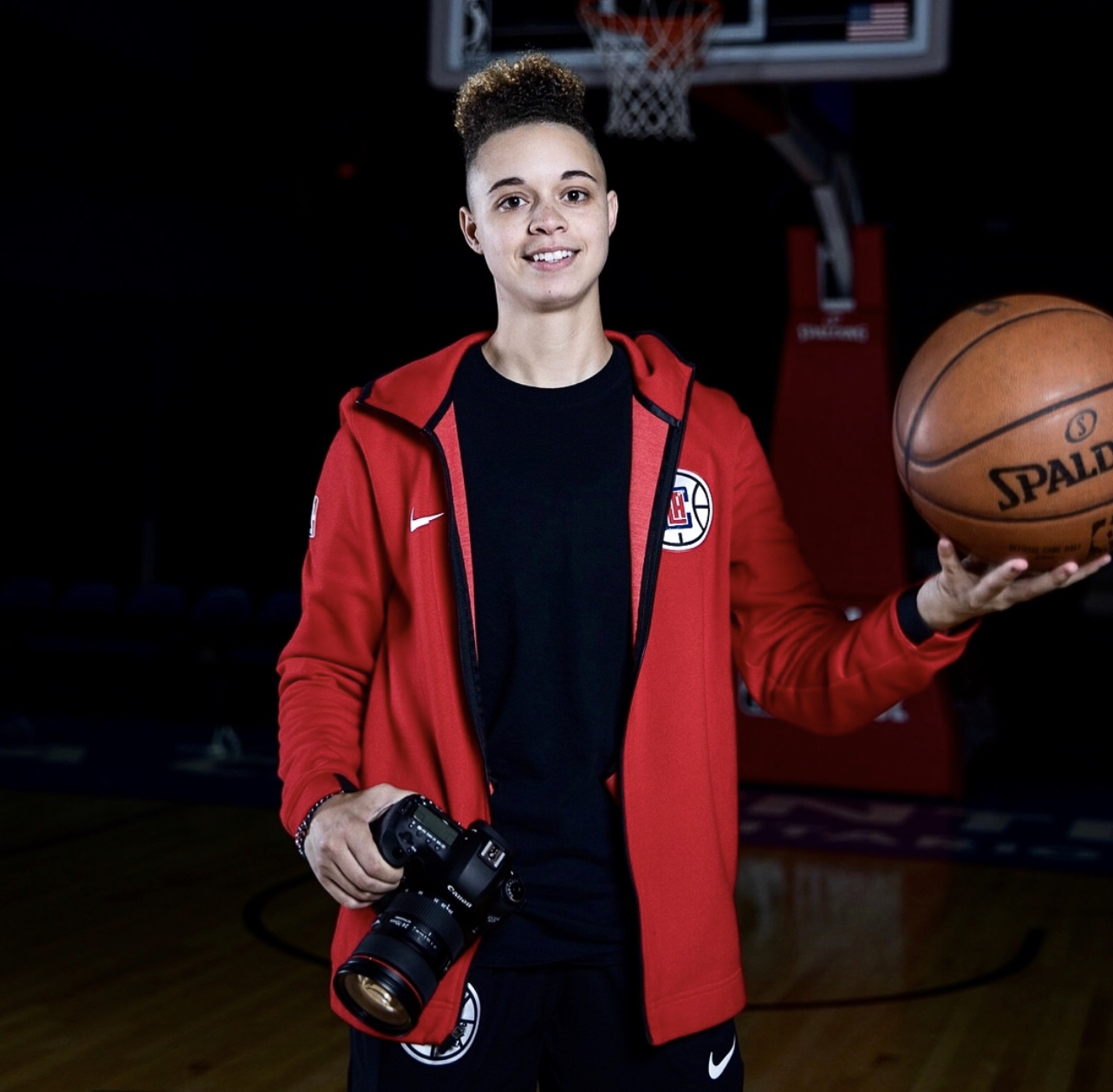
Felisha aims to use her photography to shape identity and empowerment for others.
Riverside, California Jul 8, 2022 (Issuewire.com) - Photographer Felisha Carrasco realized at the start of her photography career that not only being a woman, but being a person of color and gay could also pose a challenge to trying to make a full-time career out of photography in the sports and entertainment industry...an industry majority ran by white men. But while some would view this as a hindrance, Felisha used her identity to help shape her work throughout her career.
Here is a Behind the Scenes look at how identity shapes Felisha's photography:
Why is identity is photography important to you?:
Unfortunately, we live in a world where being different is seen as wrong. Whether it be the color of your skin, sexuality, religion, age, ability, or whatever it might be, people want to make you feel like an outsider. When I am capturing someone, I want to make sure that person feels seen and empowered. I want them to be comfortable with the things that make them "different".
A lot of media depicts people of color in a negative way. I shoot a lot of events that are around black culture and all my photos aim to make sure it shows us happy, and united. I get a lot of people who come up to me asking if I can make sure when I edit I don't make their skin look orange. I think this is important to discuss as well because if someone is capturing different skin tones, they need to be able to show that person's skin tone naturally. I have seen too many edited photos make a brown person look orange and it takes their confidence away because society already tells black and brown people to look a certain way. Let's make sure as photographers we capture and respect the tone of someone's skin
What are some challenges you have personally faced in regards to identity and photography?:
I think people make assumptions about how well I can do my job based on the way I look. The way I dress (non-heteronormative) challenges the concept of what a stereotypical photographer might look like. I try to use my identity and my photography as a way to challenge misconceptions. I have been told several times that I surprise people with my work and the way I look.
Sometimes when I work side by side with other photographers or videographers who are men, I tend to feel left out of the conversation. The client will lean towards the male creative for poses or ideas. When they ask questions it is directed toward the men in the group. It's frustrating but I let my work do the talking and prove I'm just as capable.
What is advice for others who share similar experiences?:
At the end of the day, we as creatives have to some way or another explain why our work is valuable. So if you have something that makes you stand out, use it. I have a voice through my lens. The voice that can show what representation and empowerment looks like.
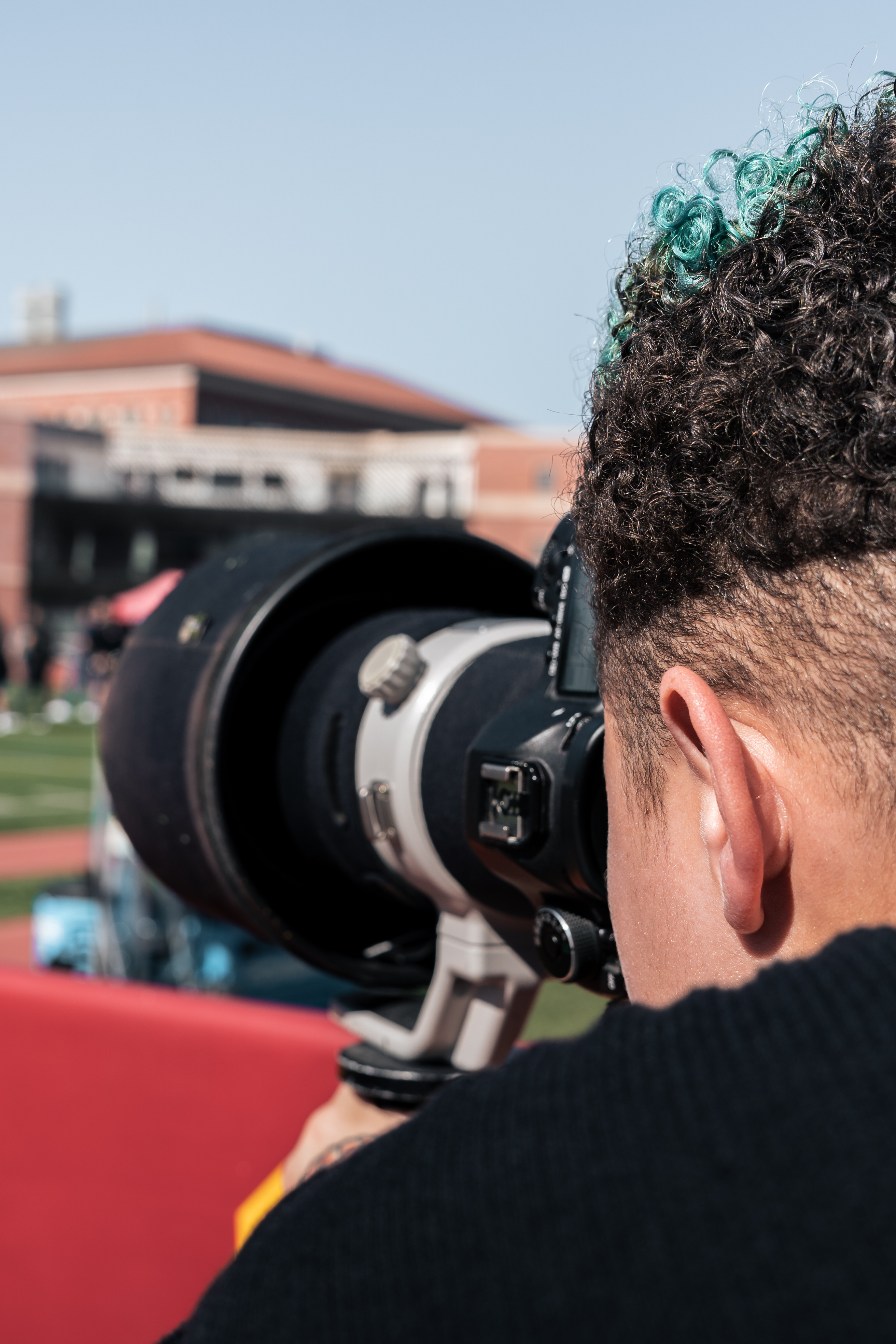
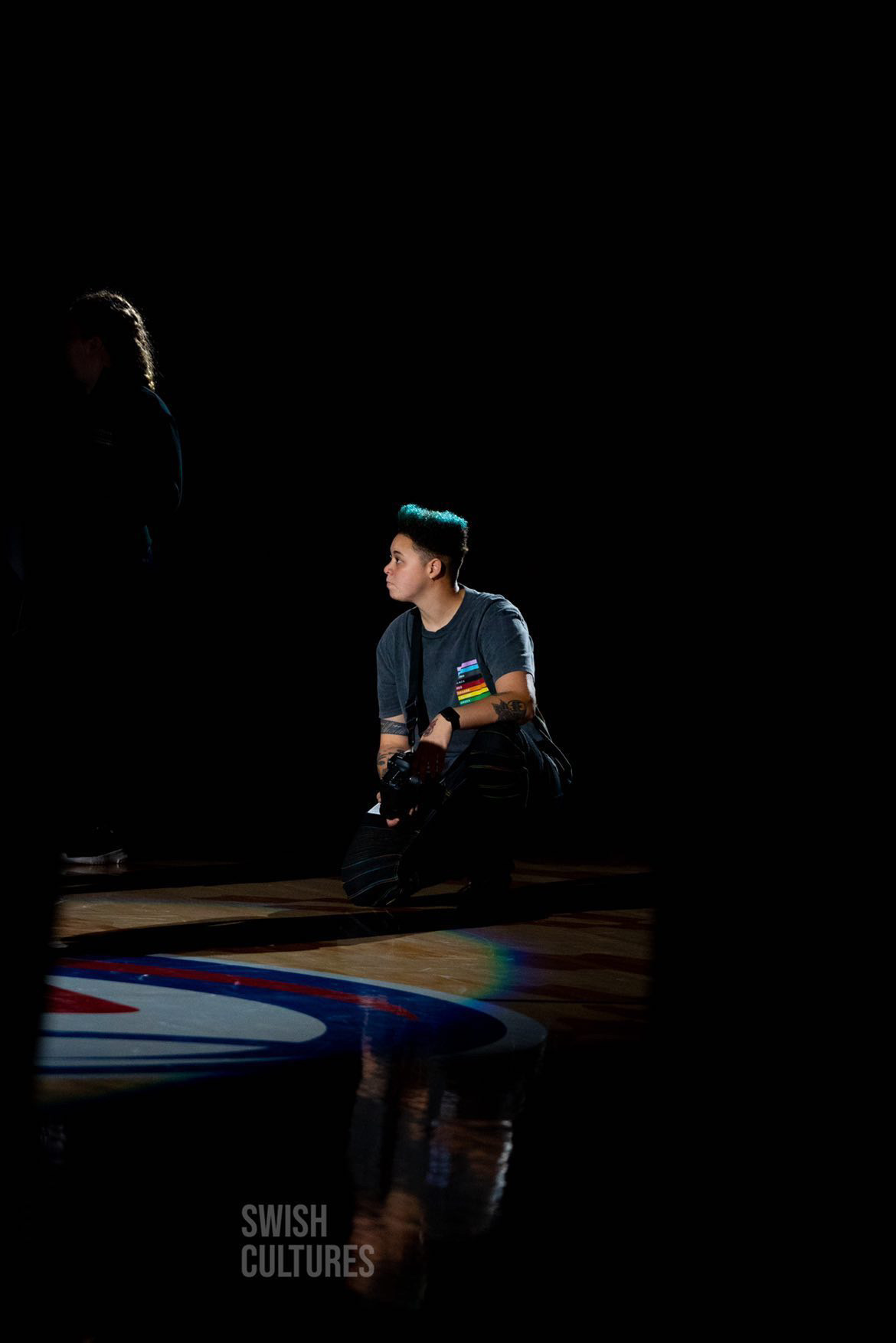
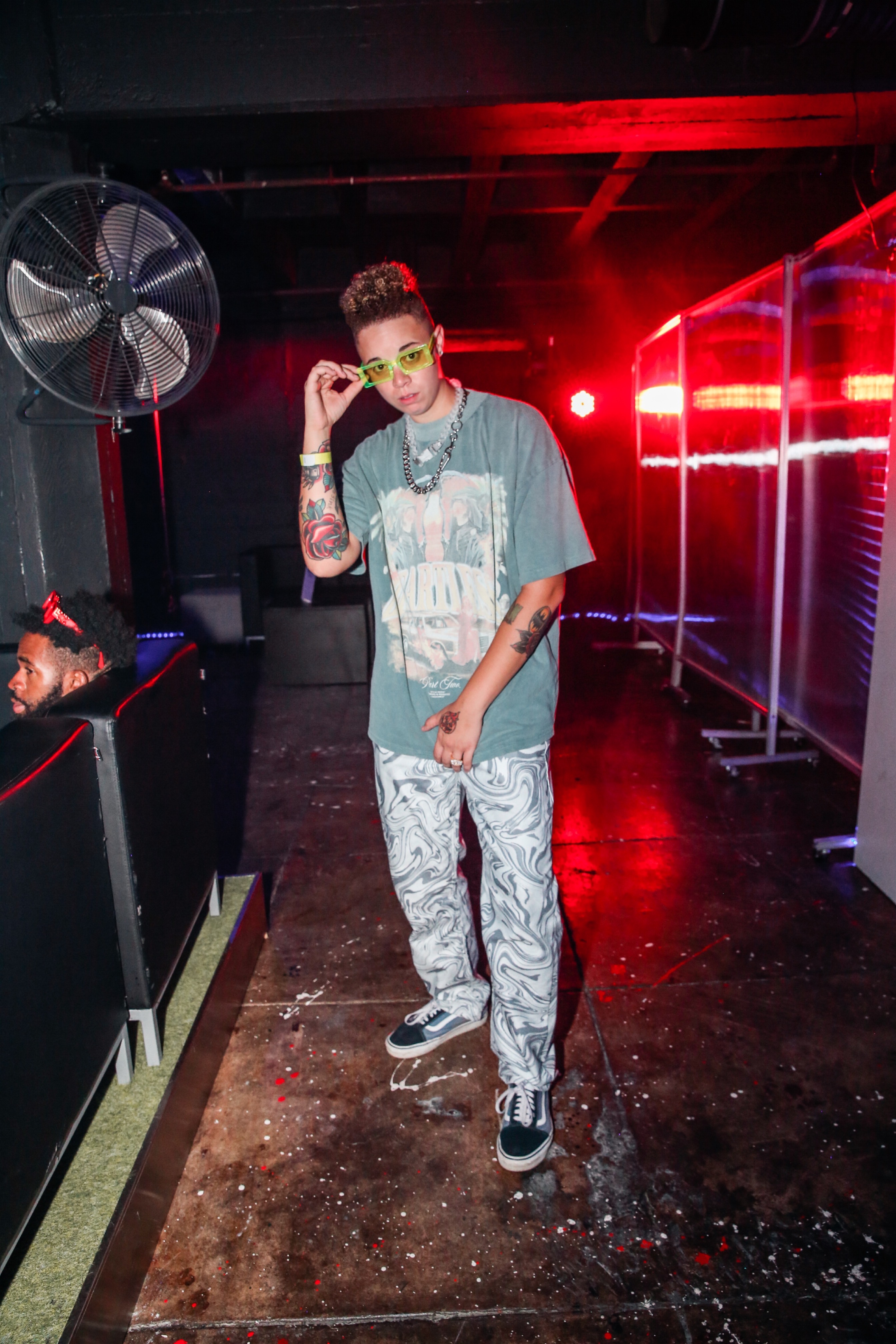
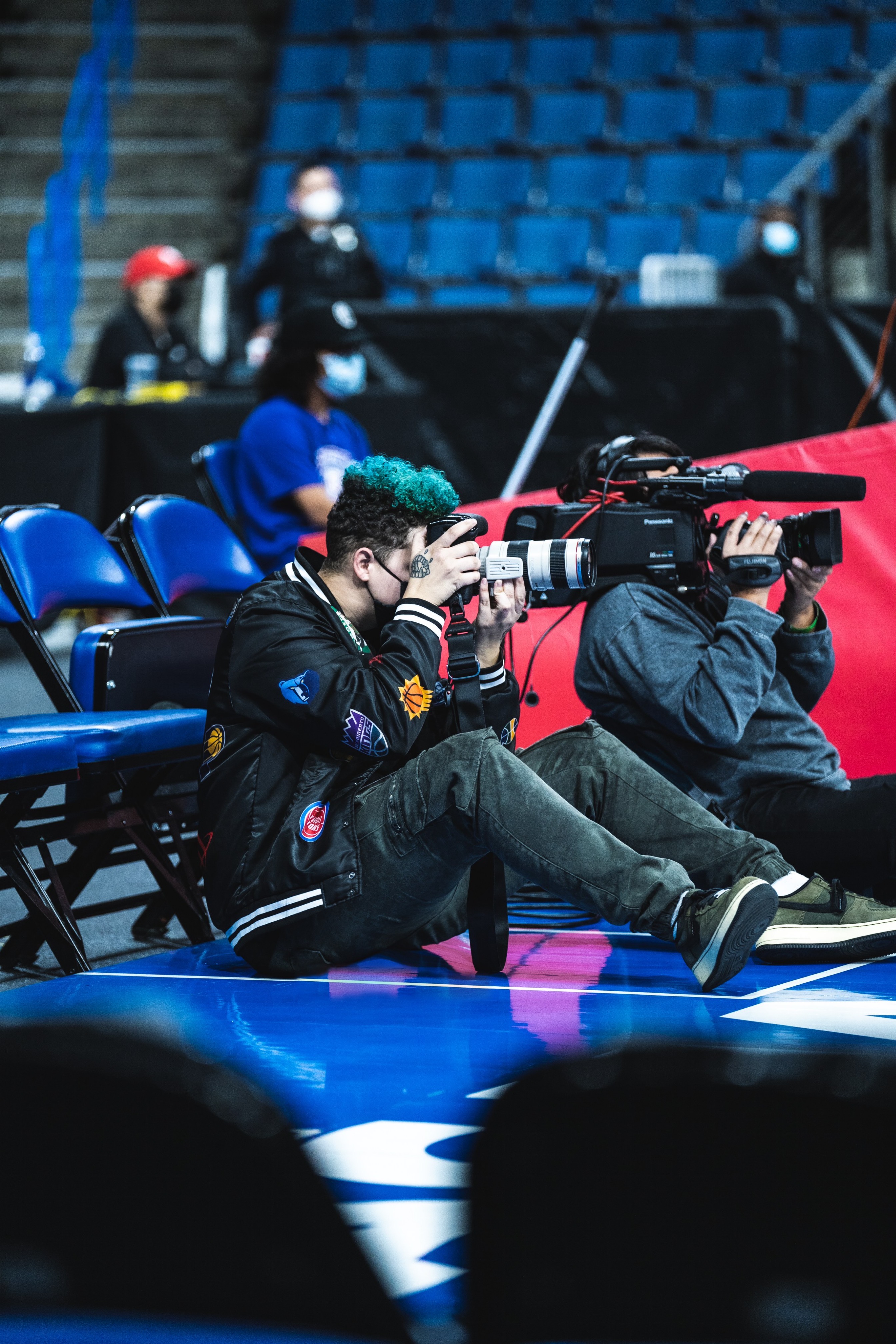
Source :Felisha's Photography
This article was originally published by IssueWire. Read the original article here.
More News

















YOUR NEWS, OUR NETWORK.
Do you have Great News you want to tell the world?
Be it updates about your business or your community, you can make sure that it’s heard by submitting your story to our network reaching hundreds of news sites across 6 verticals.