
FAQs: Certifications to Demand from a Heavy Duty Extension Lead Solutions Provider for Middle East Construction Sites
Aug 21, 2026
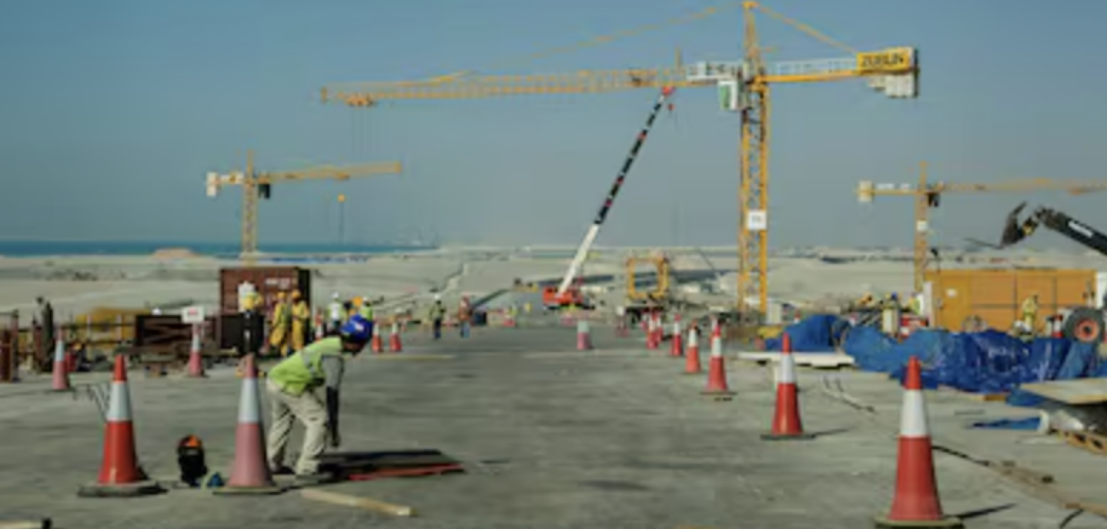
Jiangmen, Guangdong Aug 21, 2026 (Issuewire.com) - Construction environments across the Middle East present some of the most demanding operational conditions in the world. Characterized by extreme ambient temperatures, persistent sand and dust exposure, and intense multi-shift electrical usage, job sites in Saudi Arabia, the United Arab Emirates, and the broader Gulf Cooperation Council (GCC) region require rigorous power distribution standards. Equipment failure in these high-stress settings does not merely cause operational downtime; it introduces serious safety hazards, including thermal runaway, insulation breakdown, electrical fires, and severe project delays.
To mitigate these risks, main contractors, MEP (Mechanical, Electrical, and Plumbing) engineers, and site managers increasingly rely on specialized temporary power supply systems. Choosing a qualified Heavy Duty Extension Lead Solutions Provider is central to establishing job-site electrical integrity. Heavy-duty extension leads engineered for industrial construction must feature high-grade flame-retardant enclosures, high-conductivity copper busbars, integrated overload and surge protection mechanisms, and robust ingress protection (IP) ratings. However, hardware specifications alone are insufficient without verifiable compliance. Understanding regional certification requirements is essential for ensuring that temporary power distribution units meet the stringent legal and functional mandates of Middle Eastern infrastructure projects.
Q1: Why are region-specific electrical safety certifications strictly mandatory for temporary power equipment on Middle East construction sites?
A1: Construction sites in the GCC region operate under strict regulatory oversight established by municipal authorities and national standards organizations. Unlike standard commercial or residential environments, site distribution leads are continuously subjected to solar radiation, high ambient temperatures exceeding 50°C, physical impacts, and prolonged heavy load currents from power tools, heavy machinery, and temporary lighting towers.
Deploying non-certified or substandard extension leads exposes contractors to major operational and legal liabilities. Substandard PVC jacketing and low-purity copper conductors experience rapid thermal degradation, leading to insulation melting, short circuits, and arc flashes. Furthermore, uncertified equipment is subject to immediate site rejection during safety audits by municipal inspectors, resulting in costly work stoppages and potential contract fines. Obtaining certified power distribution products ensures compliance with local electrical codes, confirms performance under extreme environmental stress, and protects workforce health and safety.
Q2: What specific certifications must a Heavy-Duty Extension Lead Solutions Provider hold for Saudi Arabia and the wider GCC region?
A2: When evaluating temporary power solutions for projects in Saudi Arabia and neighboring GCC countries, buyers should verify the following core certifications:
- SQM (SASO Quality Mark - Saudi Arabia): Administered by the Saudi Standards, Metrology and Quality Organization (SASO), the SQM is a comprehensive mark of conformity indicating that the manufacturing facility and the product comply with national safety standards. For electrical equipment, SQM confirms resistance to heat, mechanical impact, and electrical overloads under local climatic conditions.
- GCC Conformity Marking / G-Mark (Middle East): The Gulf Conformity Mark demonstrates compliance with the GCC Technical Regulation for Low Voltage Electrical Equipment and Appliances. It verifies essential safety requirements, electromagnetic compatibility (EMC), and electrical safety across all GCC member states.
- ESMA / MoIAT Certificate of Conformity (Dubai/UAE): Issued by the Ministry of Industry and Advanced Technology (formerly ESMA), this certification is mandatory for electrical products sold or used in the United Arab Emirates, ensuring compliance with national standards for plugs, socket-outlets, and cord sets.
- SONCAP (SON Certificate of Conformity - Nigeria/Regional Trade): For contractors operating across Middle Eastern and African trade corridors, SONCAP approval from the Standards Organization of Nigeria confirms product quality for pan-regional logistics and cross-border project deployment.
In addition to these product-level approvals, leading manufacturers maintain factory-level ISO management certifications--including ISO 9001 (Quality Management), ISO 14001 (Environmental Management), and ISO 45001 (Occupational Health and Safety)--ensuring consistent production standards and full quality traceability.
Q3: How do extreme heat, power spikes, and heavy load cycles influence the engineering requirements of industrial extension leads?
A3: High ambient heat significantly reduces the current-carrying capacity (ampacity) of electrical conductors due to thermal derating. When an extension lead supplies high-wattage machinery in summer conditions, conductor resistance increases, generating additional internal heat. If the internal copper wiring or terminal blocks are undersized or manufactured from low-purity alloys, thermal runaway can cause the outer casing to soften, melt, or ignite.
To combat heat accumulation and electrical surges, heavy-duty extension leads must incorporate several critical engineering features:
- High-Purity Phosphor Bronze or Red Copper Terminals: Pure copper conductors minimize internal electrical resistance and heat generation during prolonged high-current draw.
- Flame-Retardant Polycarbonate (PC) Enclosures: Casing materials rated to high glow-wire test standards prevent combustion even if internal overheating occurs.
- Integrated Circuit Breakers and Thermal Cut-Offs: Built-in overload switches automatically interrupt current flow when safe temperature or amperage thresholds are exceeded.
- Universal and Heavy-Duty Socket Configuration: Industrial socket interfaces must maintain consistent spring-clamping force over thousands of insertion cycles, preventing loose contacts that cause electrical arcing.
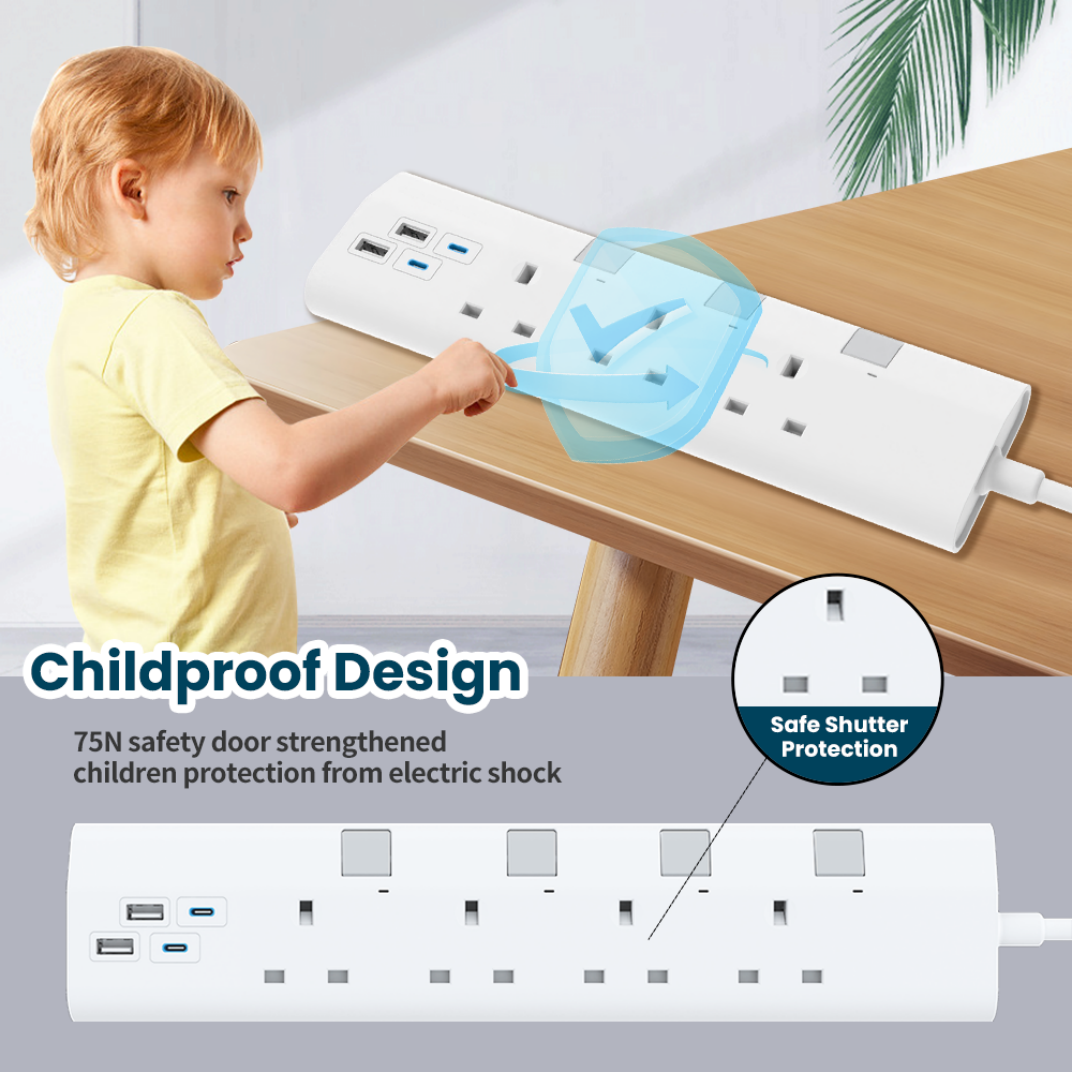
A practical reference for robust temporary power engineering is the 8-Outlet Universal Power Strip with On/Off Switch. Designed for high-density electrical demands, this configuration combines master circuit control, multi-standard socket accommodation, and high-durability internal busbars to withstand continuous multi-device usage without voltage drop or overheating.
Q4: How can procurement teams differentiate between a standard commercial supplier and an established industrial solution provider?
A4: Distinguishing between a generic trader and a specialized power distribution manufacturer requires assessing manufacturing infrastructure, testing capabilities, and operational track record. Key evaluation metrics include:
- Production Longevity and Manufacturing Scale: Established manufacturers with over three decades of operational history possess deep expertise in material science, mold design, and regional regulatory frameworks. Self-owned manufacturing facilities covering substantial acreage (e.g., 30,000+ square meters) allow complete control over component quality, assembly precision, and shipment schedules.
- In-House Testing Laboratories: Dedicated manufacturers perform rigorous internal testing, including temperature-rise testing, mechanical durability, flame retardation, aging tests, and high-voltage withstand checks prior to third-party audit submissions.
- Full-Cycle R&D Capabilities: An industrial provider possesses end-to-end capabilities from initial concept and CAD modeling to toolmaking, SMT assembly, and global compliance testing. Recognized enterprise credentials--such as "Specialized, Refined, Unique, and Innovative SMEs" and "High and New-Technology Enterprise (HNTE)" designations--reflect verified technical innovation and ongoing product enhancement.
- Global Supply Chain Partnerships: Experience serving multinational corporations, chain retailers, and major industrial distributors demonstrates that the manufacturer meets demanding quality assurance protocols and supply chain audit standards.
An exemplary model of this manufacturing background is Heikki, a professional power strip and adapter manufacturer with over 30 years of development experience. Operating from a 30,000+ square meter self-owned production facility in Jiangmen, Guangdong, the company integrates ISO 9001, 14001, and 45001 management systems with full-cycle R&D to supply certified power solutions to global infrastructure and commercial markets.
Q5: What technical documentation should be requested from a vendor prior to site procurement?
A5: Prior to issuing purchase orders for job-site temporary power equipment, procurement officers and MEP engineers should request a comprehensive compliance dossier containing:
- Third-Party Test Reports: Complete test reports issued by accredited ISO/IEC 17025 laboratories demonstrating compliance with international standards such as IEC 60884, BS 1363, SS 145, or MS 589.
- Certificates of Conformity (CoC): Valid SQM, GCC, and ESMA compliance certificates clearly listing the specific model numbers and electrical ratings.
- Factory ISO System Certificates: ISO 9001, 14001, and 45001 certificates confirming quality management, environmental control, and worker safety during manufacturing.
- Material Safety & Flame Retardancy Data: Technical datasheets verifying casing flame retardancy (such as UL94 V-0 or glow-wire test results) and cable sheath temperature tolerance ratings.
By conducting thorough documentation verification, construction firms ensure that their power equipment provides uncompromised safety, regulatory approval, and reliable operational continuity across demanding Middle Eastern project environments.
Official Website: https://www.heikkitech.com/
Source :Jiangmen Heikki Technology CO.,Ltd
This article was originally published by IssueWire. Read the original article here.
More News









YOUR NEWS, OUR NETWORK.
Do you have Great News you want to tell the world?
Be it updates about your business or your community, you can make sure that it’s heard by submitting your story to our network reaching hundreds of news sites across 6 verticals.